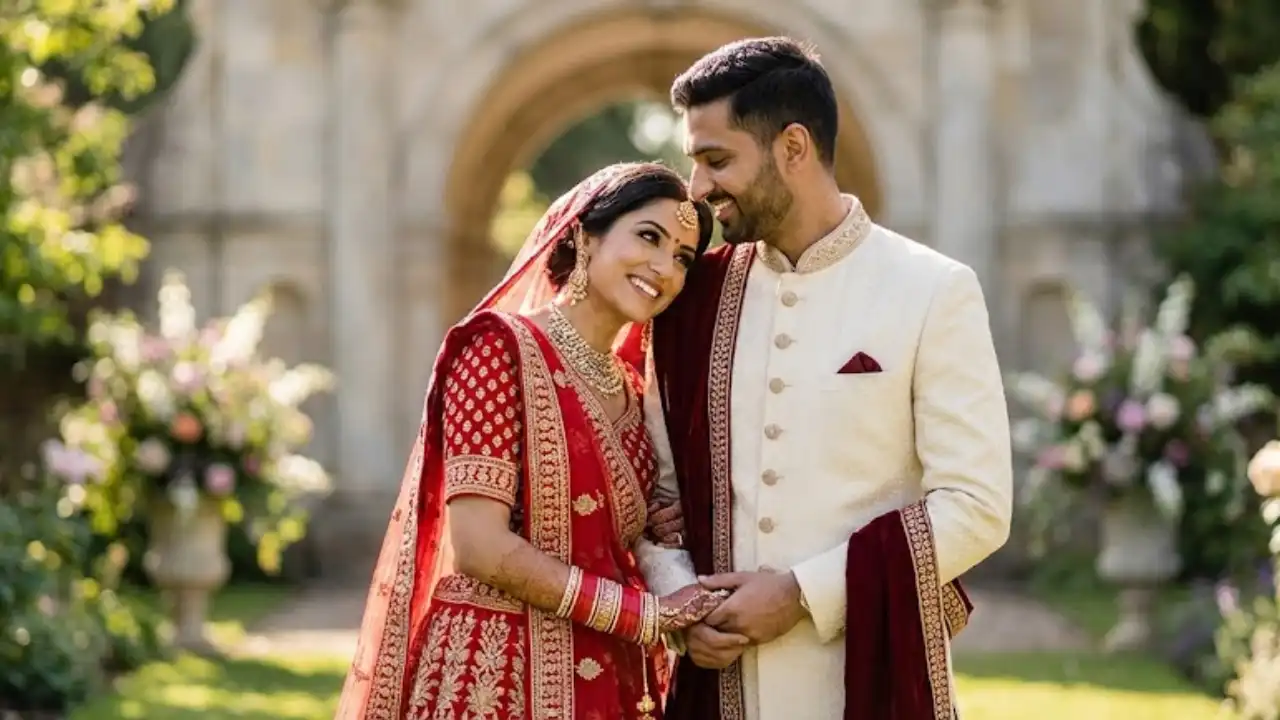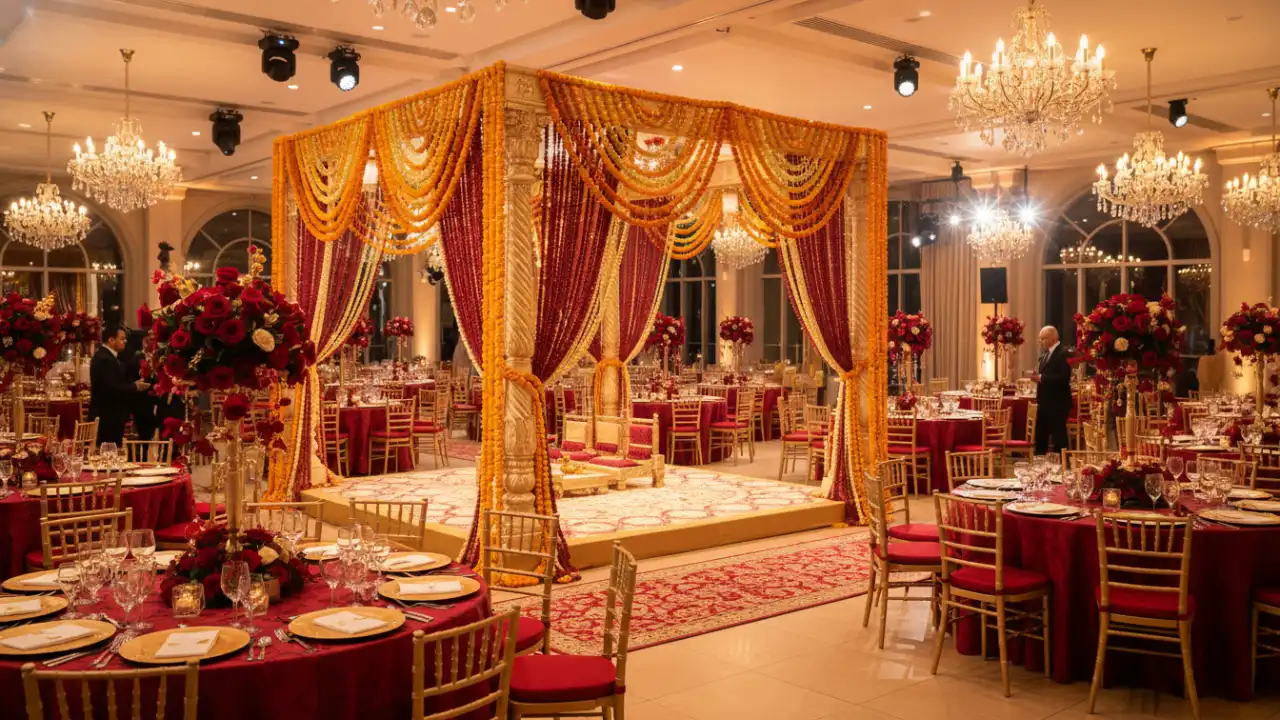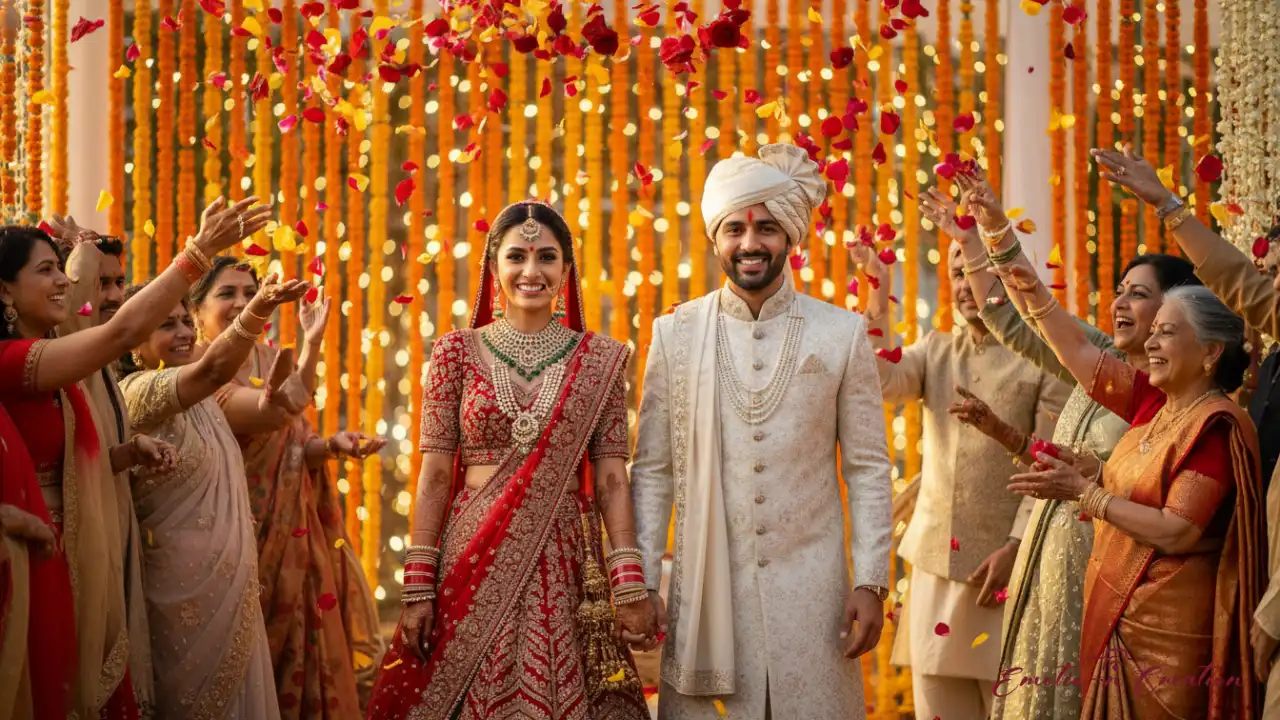
If you’ve ever opened a wedding photography brochure and felt puzzled by words like candid, cinematic, or documentary, you’re not alone. Many couples see these terms in packages but aren’t quite sure what they really mean. As someone who’s helped countless couples plan their wedding memories, I can tell you, understanding these terms can make all the difference in choosing the right photographer for your story.
These aren’t just fancy words. They describe how your love story will be captured, whether it’s all natural smiles, dramatic film-style frames, or an honest, journal-like retelling of your day.
Most Common Indian Wedding Photography Terms
There are lots of wedding photography terms you might come across, but here are the 7 most common ones that couples often see in packages:
-
Candid Photography – Captures natural, unposed moments and genuine emotions.
-
Documentary Photography – Tells the full story of your wedding day, from start to finish.
-
Cinematic Photography – Creates movie-like, artistic frames with dramatic lighting and composition.
-
First Look – The private moment when the couple sees each other before the ceremony.
-
Golden Hour – Soft, warm lighting shortly after sunrise or before sunset for romantic photos.
-
Bokeh – A blurred background effect that emphasises the subject and adds artistic flair.
-
Second Shooter – An additional photographer who captures different angles and moments simultaneously.
Candid wedding photography
Candid wedding photography is all about capturing real, unscripted emotions. It’s the art of freezing genuine laughter, stolen glances, and quiet moments without asking anyone to pose. Photographers working in this style move quietly in the background, watching for emotions as they unfold. According to The Australian Institute of Professional Photography (AIPP), candid photography has become one of the most requested wedding styles because couples prefer authentic, emotion-driven storytelling over posed imagery.
In candid photos, you won’t find stiff smiles or forced poses, just you, your people, and your natural energy. It’s perfect if you want your pictures to feel spontaneous and full of life, like memories you can relive every time you open your album.
Documentary Wedding Photography: Storytelling Without Scripts
Documentary wedding photography goes a step beyond candid. It’s not just about catching unplanned smiles; it’s about telling the full story of your day as it naturally unfolds. Think of it as a moving picture book made of still moments. The photographer becomes an observer, quietly blending into the crowd, capturing the laughter, the tears, the chaos, and the calm, without ever interrupting the flow.
The biggest difference between documentary and candid photography is the intention. Candid photos focus on individual emotions in the moment, while documentary photography builds a narrative from start to finish. It captures how your wedding felt, from the soft quiet of getting ready to the noisy dance floor hours later.
As a wedding photographer myself, I once worked with a couple who didn’t want any staged portraits. They told me, “We just want to remember how it all felt, not how it looked.” So, I spent the day moving silently between families, clicking away during small, tender moments , a father fixing his daughter’s veil, cousins sharing a joke during the vows, a shy tear wiped away when no one was watching. Later, when they saw their photos, they told me it felt like reliving the day through someone else’s eyes. That’s the power of documentary photography: it gives you truth, not performance.
For couples who value emotion and memory over perfection, this style is a treasure. It doesn’t ask you to stand still or smile on command. Instead, it tells your story as it happens, in all its honest, beautiful imperfection.
Cinematic Wedding Photography: Where Emotion Meets Art
Cinematic wedding photography is where emotion meets artistry. This style transforms your wedding moments into something that feels almost like a movie, full of depth, atmosphere, and visual storytelling. It’s not just about what’s happening in front of the camera but about how it feels to relive those moments later.
What Makes Cinematic Photography Different
Cinematic photography stands out because of its intentionality. Every frame is composed with purpose, from how the light falls on a face to how movement leads the eye. Unlike candid or documentary photography, which captures things as they happen, cinematic photographers carefully design scenes that express emotion through creative angles, shadows, and colours.
This doesn’t mean the photos are staged or artificial. The best cinematic photographers know how to make every image look like a frame from a film while keeping the feeling natural. They focus on drama, not in behaviour, but in lighting, framing, and storytelling. You might see a slow, graceful twirl during a dance captured under soft fairy lights, or a close-up of the bride’s hand holding her bouquet as sunlight glows through it.
When done right, cinematic photography balances emotion and art. The result is timeless; each image could stand alone as a piece of art, yet together they tell a deeply personal love story.
How the Process Works
Photographers who specialise in this style often spend time before the wedding understanding the couple’s personalities, colours, and preferences. Some plan sequences in advance, where the couple walks, how the light falls, or how motion can enhance a shot. They may also use advanced techniques like controlled lighting, lens flares, or subtle movement to add that film-like feel.
Editing plays a huge role, too. The tones are usually rich and cinematic, warm highlights, moody shadows, and slightly softened details that evoke emotion. It’s less about perfection and more about creating atmosphere. This is what makes cinematic photography so emotionally charged: it makes even ordinary moments look poetic.
When Cinematic Style Fits You
Cinematic wedding photography is perfect for couples who love creativity and storytelling. If you’ve always been drawn to movies, dramatic visuals, or artistic portraits, this style will speak to you. It’s for people who want their wedding album to feel like a film still, each image capable of sparking a deep emotional response.
But it’s also for those who appreciate direction with comfort. Unlike documentary photography, where the photographer observes quietly, cinematic sessions may involve a bit more guidance. You might be asked to walk a certain way, pause near a window, or hold hands while the light hits just right. The idea isn’t to pose but to move naturally within a planned moment.
Why Cinematic Photography is Gaining Popularity
Couples today want more than just records of their wedding; they want visual experiences. Cinematic photography meets that desire perfectly. It captures not only how things looked but also how they felt, the wind catching a veil, the glimmer in a tear, the way a dress moves during a spin.
I’ve seen couples tear up while viewing their cinematic albums for the first time. It’s not because they look perfect in every frame, but because the photos remind them of the emotion they felt. The best cinematic images are those that tell a story without needing a caption.
It’s also the most flexible style for blending photography and videography. Many photographers offer hybrid coverage, shooting stills and short video clips in the same cinematic tone. When combined, they create a seamless story of movement and stillness, artfully stitched together.
The Heart of Cinematic Wedding Photography
At its heart, cinematic photography is about seeing beauty in the ordinary. It’s about using light, emotion, and artistry to elevate small moments into grand memories. The laughter, the glances, the nervous hands, everything becomes part of a visual narrative that feels timeless.
If you’re drawn to emotion, movement, and creativity, cinematic wedding photography is a style that can turn your memories into art. It’s not just about how you looked on your wedding day; it’s about how your day felt, retold with depth and heart.
How to Read Wedding Photography Packages (Made Simple)
When you start comparing wedding photography packages, you’ll notice a mix of unfamiliar terms, coverage hours, second shooter, RAW files, albums, and more. It can get confusing fast, especially when every studio describes things differently. Let’s break it down clearly so you know exactly what you’re getting before you sign anything.

Understanding Coverage Hours
Coverage hours mean how long the photographer will be with you on your wedding day.
- Half-Day Coverage: Usually around 4–6 hours, good for small or morning weddings.
- Full-Day Coverage: Around 10–14 hours, ideal for larger celebrations or full-day events.
- Custom Coverage: Some photographers let you choose specific hours to fit your timeline.
The trick is to make sure your photographer’s coverage starts early enough (like during your getting-ready moments) and ends late enough to include the big exit or reception highlights.
Common Add-ons Explained
Here are some extras that often appear in packages:
- Second Shooter: An extra photographer who captures different angles, reactions, or moments happening simultaneously.
- Travel Cost: If your venue is far from the photographer’s base, you might see travel fees listed per kilometre or as a flat rate.
- RAW Files: These are the unedited image files , big, detailed, and great if you want full creative control later.
- JPEG Files: Edited, polished images that are ready to print or share.
- Album or Photo Book: A printed keepsake of your edited images, often customizable in size and layout.
- Engagement Session: A pre-wedding shoot is included in many packages, a great chance to get comfortable in front of the camera.
Sample Package Comparison
Below is a simple table showing what a typical comparison might look like between two types of wedding photography packages:
| Feature | Half-Day Package | Full-Day Package |
| Coverage Duration | 4–6 hours | 10–14 hours |
| Number of Photographers | 1 | 2 (main + second shooter) |
| RAW Files Provided | Optional | Usually included |
| Edited JPEGs Delivered | 200–300 | 500–800+ |
| Travel Fees | Extra | Often included locally |
| Album Included | Add-on | Included in premium tiers |
| Engagement Session | Optional | Included or discounted |
Hidden Costs to Watch For
Even the best packages can have surprises if you don’t read carefully. Here’s what to check:
- Overtime Fees: Extra cost if your event runs longer than planned.
- Rush Delivery: Faster editing turnaround for an additional charge.
- Album Upgrades: Larger sizes or more pages may add to the cost.
- Image Licensing: Some photographers charge for commercial or print use rights.
Before booking, always ask your photographer to walk you through each line item. A clear, transparent discussion saves you from unexpected costs later and helps you focus on what really matters, enjoying your wedding day while your memories are beautifully captured.
Choosing the Right Style for Your Day
Every couple has a unique rhythm; some love quiet, heartfelt moments, while others thrive on grand, cinematic experiences. Choosing the right wedding photography style isn’t just about what looks nice online; it’s about what feels right for your personality and the kind of memories you want to relive years later.
Know Your Personality and Priorities
Before you look at pricing or photographers, think about what kind of couple you are:
- If you love natural moments, you’ll connect deeply with candid or documentary photography. It captures emotion without staging.
- If you appreciate drama and art, Cinematic photography might fit best. You’ll enjoy beautifully composed shots that look straight out of a film.
- If you like balance: A hybrid approach , candid through most of the day, cinematic during portraits , works perfectly.
Ask yourself: “Do I want to remember my wedding through moments or through scenes?” That simple question often reveals your ideal match.
How to Discuss Style with Your Photographer
Once you have a sense of what you like, the next step is communicating it clearly. Many couples assume photographers automatically understand their taste, but visual examples help immensely.
- Share a few of your favourite wedding images; Pinterest boards work great.
- Point out what draws you in: is it the emotion, lighting, or framing?
- Let your photographer know which moments matter most (e.g., your entry, first dance, or family reactions).
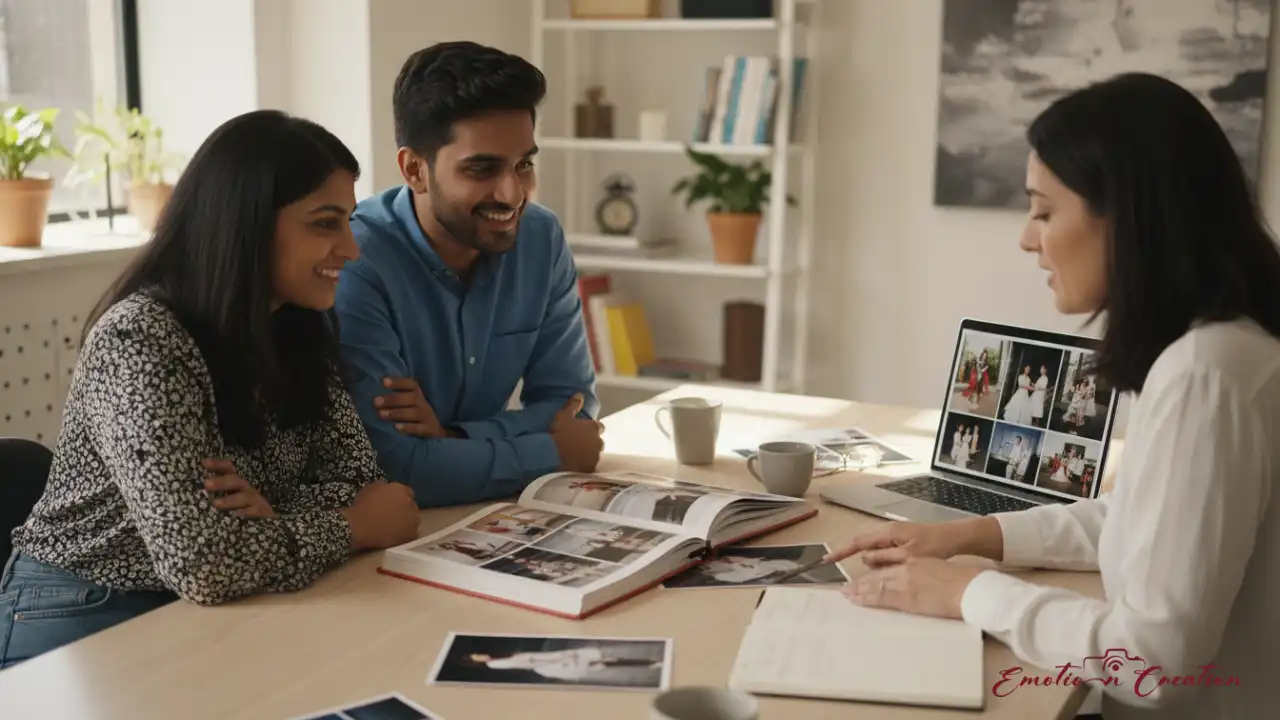
A good photographer won’t force one style on you. Instead, they’ll adapt their approach to highlight what makes your story personal.
Test Compatibility Early
Your connection with your photographer matters as much as their skill. Book an engagement or pre-wedding shoot if possible. It’s not just practice for the camera; it’s a comfort test. You’ll see how naturally you can be yourself and how the photographer directs you. That trust will make your wedding day flow effortlessly.
Making the Final Decision
Finally, review sample galleries from real weddings, not just highlight reels. Pay attention to how consistent the work feels; every image should carry emotion, not just the perfect ones.
At the end of the day, the best style is the one that tells your story honestly. Whether it’s filled with laughter, elegance, or quiet emotion, the right photography will make those feelings last a lifetime.
Mini Glossary: Words You’ll See in Photography Packages
When you browse wedding photography packages, you’ll often come across a mix of technical and creative terms that can sound confusing at first glance. Understanding these words makes it easier to read proposals, compare options, and communicate clearly with your photographer. Here’s a simple, human explanation of the terms you’re most likely to see.
First Look
The first look is a private, emotional moment before the ceremony when the couple sees each other for the first time. It’s often captured in a quiet setting away from the crowd. Many couples love this because it reduces pre-ceremony nerves and gives them an intimate memory before the busy celebration begins. Photographers usually plan this moment carefully to make it feel spontaneous yet beautifully captured.
Golden Hour
You’ll often hear photographers mention shooting during the golden hour. This is the short time just after sunrise or before sunset when the light is soft, warm, and incredibly flattering. The colours glow, the shadows are gentle, and everything feels naturally romantic. Many cinematic and candid photos use this light to create dreamy, timeless images.
Bokeh
Bokeh refers to the soft, blurred background in a photograph. It helps the subject stand out and adds a romantic, artistic touch. The word comes from the Japanese term for “blur.” In candid and cinematic wedding photography, photographers often use bokeh to make emotional moments, like a gentle handhold or a smile, look beautifully focused and personal.
Second Shooter
A second shooter is an additional photographer who works alongside the main one. This allows both major and subtle moments to be captured simultaneously. For example, while one photographer captures the bride walking down the aisle, the second can capture the groom’s reaction at the same time. It’s a small detail that adds huge emotional depth to your final gallery.
RAW and JPEG Files
These terms describe the formats of your photos. RAW files contain every detail captured by the camera sensor, perfect for editing and colour correction. JPEG files are the polished, ready-to-share versions after professional editing. Most clients receive JPEGs, while RAWs are optional if you want to preserve maximum editing flexibility later.
Understanding these words isn’t about becoming a photography expert; it’s about feeling confident and informed when you discuss your wedding package. The more you understand, the easier it becomes to choose the experience that truly matches your vision.
Ready to Capture Your Story?
If you’re looking for an indian wedding photographer who understands emotion, artistry, and genuine storytelling, we’d love to help you create timeless memories that feel as beautiful as your day.
Final Thoughts
Your wedding photos are more than just pictures; they’re the memories that will tell your love story for years to come. Understanding terms like candid, documentary, and cinematic helps you choose the right storyteller for that journey.
Whether you dream of natural laughter, raw emotions, or film-style artistry, the best style is the one that feels true to you. Take time to explore, ask questions, and trust the photographer whose work speaks to your heart. In the end, great wedding photography isn’t about the camera or the lighting , it’s about capturing how love looked and felt on the day you said forever.
Frequently Asked Questions (FAQs)
What is the difference between candid, cinematic, and documentary wedding photography?
The main difference lies in approach and storytelling. Candid photography captures natural, unposed moments, pure emotions as they happen. Documentary photography builds a complete story of your day from start to finish, weaving all moments together like a journal. Cinematic photography, on the other hand, adds artistry and drama, creating visually stunning, movie-like frames that feel emotional and stylised.
Can one photographer cover both candid and cinematic styles?
Yes, many skilled photographers blend styles seamlessly. A professional might shoot the ceremony in a candid or documentary way, then switch to a cinematic approach for portraits or couple shots. The key is communication; make sure you tell your photographer which moments you’d like captured naturally and which you’d like to look more artistic.
Do I need two photographers for my wedding?
A second shooter is not mandatory but highly recommended. Having two photographers ensures that no important moment is missed, like your walk down the aisle and your partner’s reaction. It also provides more creative angles and emotional depth in your final gallery.
How many hours of coverage should I book?
It depends on your wedding size and schedule. Small or intimate weddings usually fit within 4–6 hours, while full-day events, including pre-wedding preparations and the reception, often need 10–14 hours. Always share your timeline with your photographer so they can suggest the right coverage.
What is the “golden hour,” and why do photographers love it?
The golden hour is the period just before sunset or after sunrise when natural light is soft, warm, and gentle. It flatters skin tones and creates romantic, cinematic photos. Photographers often schedule a couple of portraits during this time for that glowing, dreamy look you see in wedding magazines.