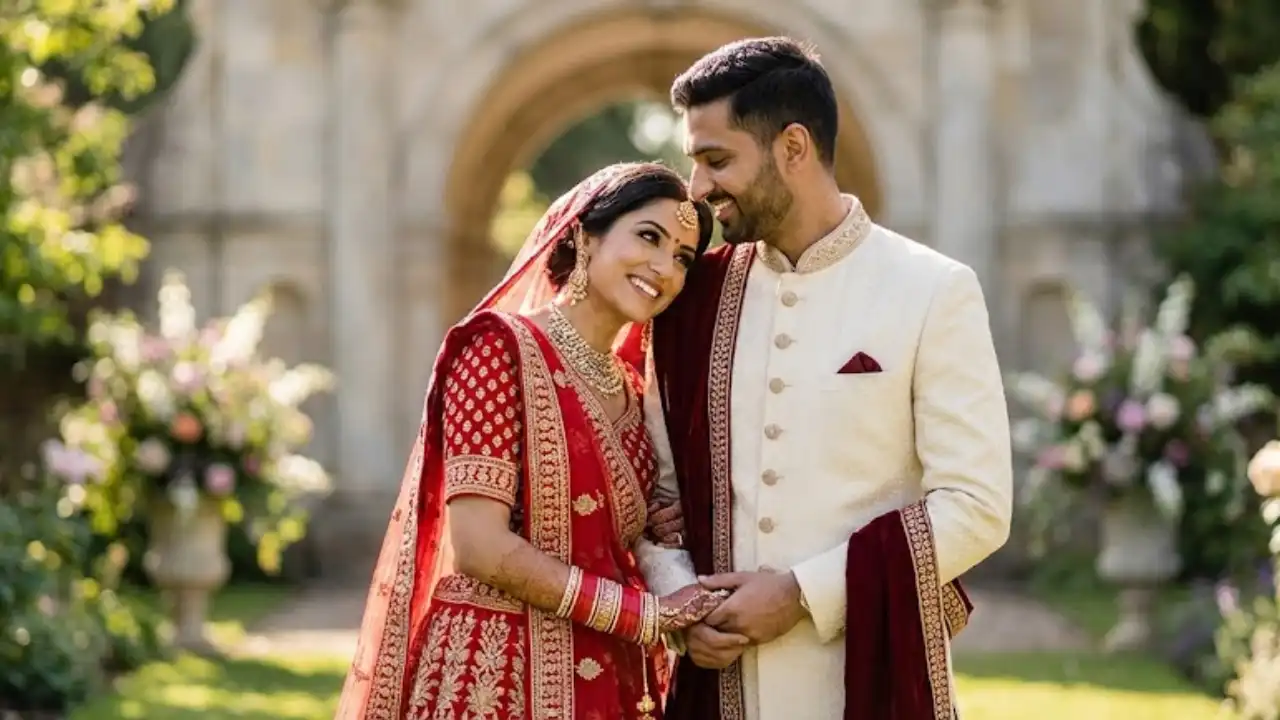
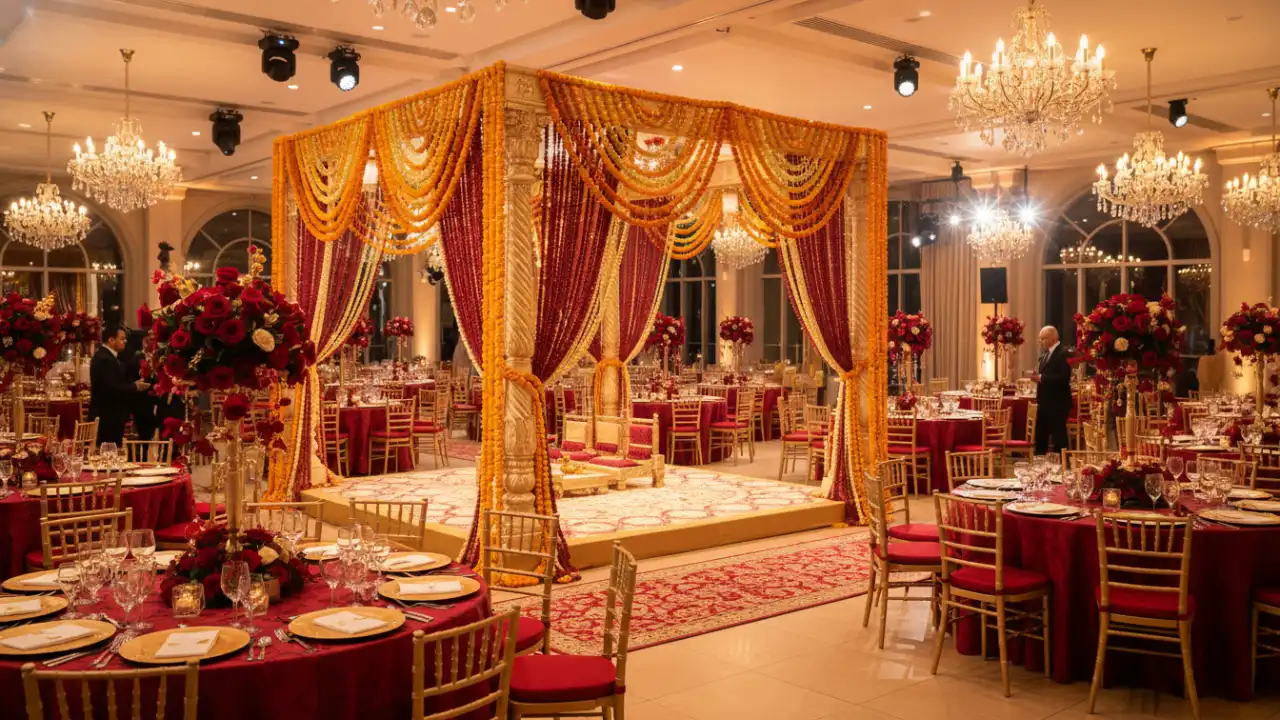
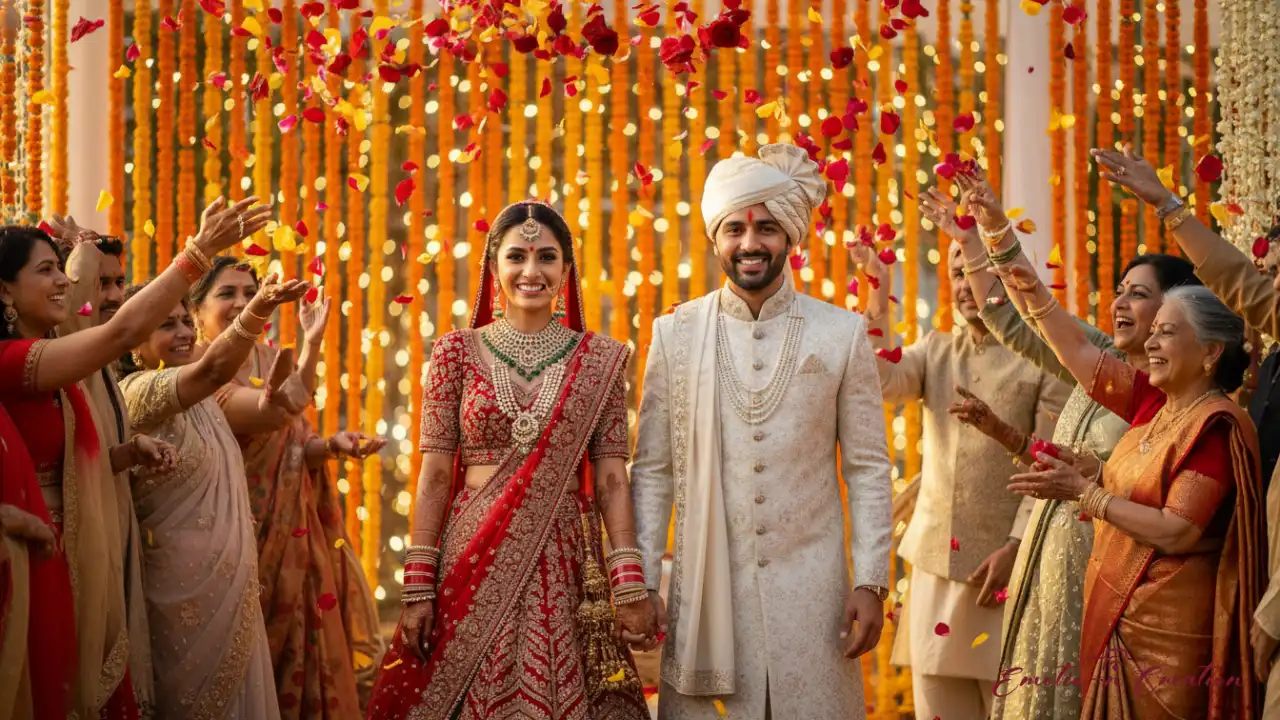
There’s something magical about a Sikh wedding. The colors, the music, the laughter, it’s more than a celebration; it’s a story of faith, love, and family. Every glance between the couple, every smile from proud parents, tells a part of that story. As a photographer, I’ve learned that capturing these moments isn’t just about skill; it’s about feeling the emotion as deeply as the people living it. When your heart connects with theirs, your camera becomes more than a tool; it becomes a bridge between memory and meaning.
Sikh Wedding Photographer
A Sikh wedding photographer focuses on capturing the warmth, rituals, and emotions that make Sikh ceremonies unforgettable. From the sacred vows during the Anand Karaj to the tearful Doli, the goal is to preserve not just the images but the soul of the celebration. These weddings are rich in culture and feeling, and a skilled photographer blends respect, timing, and artistry to keep every emotion alive in each frame.
Why Sikh Weddings Are So Special to Photograph
Every Sikh wedding feels like stepping into a living poem. The sound of the tabla, the fragrance of fresh flowers, and the sight of families gathered in shared joy, it’s a celebration that speaks to every sense. What makes these weddings truly special to photograph is their seamless blend of spiritual devotion, vibrant tradition, and raw human emotion.
From a photographer’s perspective, it’s not just about capturing beautiful frames; it’s about understanding the rhythm of the rituals and the meaning behind every gesture. According to the Sikh Rehat Maryada published by the Shiromani Gurdwara Parbandhak Committee, the Anand Karaj ceremony symbolizes the union of two souls under divine guidance. The Anand Karaj, held inside the Gurdwara, is one of the most sacred moments. The couple doesn’t exchange vows with words; they walk together around the Guru Granth Sahib, symbolizing the union of two souls through faith. As a photographer, knowing this helps me prepare for quiet reverence rather than grand theatrics. It’s in these silent moments that the truest emotions unfold.
Structure of a Sikh Wedding’s Emotional Story:
- The Connection Before the Ceremony – The bride’s family preparing, laughter echoing through the house, mothers adjusting dupattas, fathers pretending not to tear up. These are the unscripted emotions that shape the story even before the first photo is taken.
- The Sacred Promises – The Anand Karaj isn’t just a ritual; it’s the heart of the day. Every photographer must move gently, respectfully, and silently. The focus should be on emotion, eyes closed in prayer, hands folded, or a quiet smile shared between the couple.
- The Celebration That Follows – After the ceremony, joy bursts open like confetti. Children dance, elders bless, and the couple laughs freely for the first time as partners. Capturing these spontaneous emotions keeps the gallery alive with energy.
I remember one wedding where I almost missed the most beautiful shot. During the Laavan, I noticed the groom’s grandmother whispering a prayer with her eyes full of tears. I turned my lens toward her just in time. Later, the family told me that the image became their most cherished memory. That moment taught me something I carry to every shoot: in Sikh weddings, emotion lives not just in the couple, but in everyone’s heart.
To photograph a Sikh wedding well, you must look beyond tradition and see emotion as the thread that weaves it all together. You don’t just click pictures, you honor love, culture, and connection in their purest form.
Key Sikh Wedding Moments Every Photographer Must Respect and Capture
The Emotional Prelude, Kurmai, and Pre-Wedding Celebrations
Every story starts before the ceremony, and so does a Sikh wedding. The Kurmai, or engagement, is often where emotions first spill into the open. It’s a day of laughter, teasing, and family bonds. Parents exchange gifts, elders share blessings, and the couple, still a bit shy, steals glances that speak louder than words. For a photographer, this is where the storytelling begins. You must move with quiet sensitivity, finding moments that others overlook, like a grandmother fixing her grandson’s turban or a friend wiping away a happy tear.
In pre-wedding events such as the Mehndi or Sangeet, the energy transforms. Bright colors, rhythmic music, and the sparkle of henna-covered hands create a vibrant atmosphere. Every movement holds a story, every expression an emotion waiting to be frozen in time. These moments test your timing and empathy. A good photographer doesn’t just document these scenes; they feel them. You anticipate laughter before it happens and focus your lens on connections that words can’t describe.
Inside the Gurdwara, The Sacred Calm of the Anand Karaj
The Anand Karaj is the heart of every Sikh wedding, a ceremony that radiates serenity and faith. Inside the Gurdwara, the air is filled with the hum of prayers and the soft sound of the Shabad Kirtan. Light filters gently through stained windows, casting a golden hue on folded hands and bowed heads. For a photographer, this environment demands deep respect and complete awareness.
Unlike loud celebrations, this moment is about stillness. You must step lightly, almost invisibly, while your lens seeks truth without intrusion. The couple walks around the Guru Granth Sahib, each round symbolizing a step toward spiritual unity. Their families watch, some in tears, some smiling softly. Capturing the groom’s steady hand guiding the bride, or the gentle sway of her dupatta as she follows, tells more than any staged pose could.
Every frame here carries sacred energy, so it’s crucial to maintain reverence. Adjust your angles carefully to respect religious boundaries and never photograph directly in front of the scripture. Instead, focus on side perspectives, reactions, and subtle emotional cues. That quiet nod between parents or the soft tremble in the bride’s voice when the ceremony ends, these are the real treasures.
The Joy Unfolds, Post-Ceremony Emotions, and the Doli
As the sacred vows end, joy spills over once more. Guests gather, laughter fills the hall, and the couple finally relaxes into the rhythm of celebration. This is when candid photography thrives. Every embrace, every shared glance tells a story of belonging. Children dance without rhythm, elders bless with proud smiles, and the newlyweds begin their first journey together, surrounded by love.
The Doli, or farewell, is perhaps the most emotional moment of all. The bride’s laughter slowly fades into tears as she leaves her home. For a photographer, this is where empathy matters most. You have to balance artistry with compassion. Keep your distance, yet stay connected enough to sense when emotion peaks. The trembling hands, the father’s silent hug, the mother’s last kiss, these moments cannot be staged, only witnessed.
Preserving the Unspoken Story
What makes Sikh weddings so powerful to photograph isn’t the grandeur, it’s the emotion hiding beneath it. Each ritual is layered with meaning, each smile backed by generations of love. A good photographer respects not only the ceremony but the people who live it.
Your task is to honor their trust. Learn the sequence of rituals, so you never interrupt the sacred flow. Listen when elders explain traditions; it helps you connect your camera to their hearts. Notice the contrasts, the calm prayer against vibrant music, the quiet tears after laughter, and let your photos reflect that duality.
When done right, your work becomes more than a wedding album; it becomes a family heirloom. Years later, when they open those pictures, they should feel the same warmth, the same faith, the same pulse of that day. That’s the real success of a Sikh wedding photographer: to make time stand still, not through perfection, but through genuine emotion.
Mastering Lighting and Color in Sikh Wedding Photography
The Power of Light in Storytelling
Lighting is the secret language of emotion. In a Sikh wedding, where every scene carries deep feeling, light becomes the invisible brush that paints those emotions. Whether it’s the soft glow of dawn or the golden warmth of a sunset reception, every light source helps shape the story differently.
Natural light is your best friend during the Anand Karaj. The soft, diffused rays entering the Gurdwara create a calm, spiritual mood. I often position myself near windows or open doors, letting light fall naturally on folded hands or the couple’s gentle expressions. Artificial light can easily overpower this setting, so I use reflectors or low-intensity LED panels when needed, just enough to highlight faces without disturbing the peace.
Evening receptions, however, demand a different approach. Dimly lit halls or outdoor venues filled with fairy lights create a magical ambiance, but can challenge exposure and color accuracy. That’s where you rely on experience, intuition, and your gear’s flexibility.
Balancing Colors and Emotions
Sikh weddings are an explosion of color, deep reds, golds, saffron, and bright blues. But without control, these rich tones can overwhelm the image. The trick lies in balancing contrast and preserving warmth. Instead of over-saturating, aim to keep colors true to how they feel in real life, joyful yet elegant.
I always shoot in RAW format. This allows me to correct color tones later without losing natural texture. It’s especially important for events spanning day and night, where changing light temperatures can shift skin tones.
Here’s a simple guide to the most common lighting scenarios in Sikh weddings and how to handle them:
| Lighting Scenario | Common Challenge | Best Solution |
| Gurdwara Ceremony | Harsh window light or uneven shadows | Use natural diffused light; position subjects side-lit for depth |
| Outdoor Day Ceremony | Strong sunlight and glare | Shoot during golden hour or use soft diffusers |
| Indoor Reception | Mixed lighting (yellow tint, dim areas) | Adjust white balance manually; use bounce flash carefully |
| Night Celebrations | Low light, fast motion | Use fast prime lenses (f/1.4–f/2.8); raise ISO cautiously |
Practical Tips for Perfect Light Control

- Scout the location beforehand to observe how light moves during the day.
- Carry at least one backup light source, even for daytime ceremonies.
- Use reflectors near the bride and groom to balance harsh shadows.
- Capture moments with contrasting light, like the bride’s bright dupatta glowing against the calm shadows of the Gurdwara.
- In editing, avoid over-polishing. Keep texture natural; emotion feels real only when light looks authentic.
A Sikh wedding photographer must treat light not as a technical tool but as an emotional guide. The right balance of brightness, warmth, and shadow doesn’t just reveal faces, it reveals feelings. When light tells the same story as your subjects, that’s when your photography becomes art.
The Art of Capturing Emotion, Not Just Moments
Understanding the Heart Behind Every Frame
The most powerful photos in a Sikh wedding are not the ones that are perfectly composed; they’re the ones that feel alive. Emotions can’t be forced or staged; they must be understood. As a Sikh wedding photographer, your real task isn’t to chase the shot, but to anticipate emotion before it happens.
Each face tells a story. A father’s proud glance as his daughter walks into the Gurdwara, a bride’s nervous smile as she adjusts her dupatta, a child’s laughter echoing during the Baraat, these are the fleeting pieces that complete the emotional puzzle. You have to be present, patient, and completely immersed in the moment.
How to Anticipate Emotion Naturally
Capturing emotion requires intuition more than direction. Here’s how to stay ready when the real story unfolds:
- Observe quietly. Stand back and let moments happen naturally. People open up when they forget you’re there.
- Predict reactions. Know the flow of rituals so you can sense when laughter, tears, or reflection are about to appear.
- Watch for micro-expressions. A single blink, a half-smile, or clasped hands can carry more emotion than a dramatic pose.
- Stay flexible. Move quickly but silently. The best emotion shots come from unexpected angles, behind a veil, through a doorway, or reflected in a mirror.
Being emotionally intelligent behind the lens matters as much as being technically skilled. You’re not photographing events, you’re documenting relationships, pride, and legacy.
The Magic of Candid Photography
Candid moments are where the soul of a wedding lives. In Sikh weddings, this means focusing on subtle connections rather than grand scenes. Instead of directing, observe the natural rhythm, the laughter that breaks out during a ritual, or the unspoken comfort between the couple during the Laavan.
Candid photography requires trust. Families should feel your respect before they feel your camera’s presence. Speak gently, smile often, and allow space for emotion to unfold. When people trust you, they show you their truth, and that’s the moment worth capturing.
Turning Emotion into a Story
Every picture should build upon the last, forming a visual narrative. When you piece together those tiny human emotions, joy, nostalgia, love, and gratitude, you’re not just delivering photos; you’re telling their family story for generations.
A skilled Sikh wedding photographer knows when to click, but a great one knows why. The difference lies in the heart.
Navigating Family and Culture with Sensitivity
Photographing a Sikh wedding isn’t only about cameras and lenses; it’s about people, respect, and understanding. Every family brings its own traditions, stories, and expectations. Some may follow every step of the ceremony exactly as their ancestors did, while others blend modern elements with tradition. To capture these moments authentically, a photographer must first become a quiet observer of culture and emotion.
The Gurdwara is the heart of the Sikh faith, and every ritual performed there holds deep meaning. When entering this sacred space, remember to remove your shoes, cover your head, and maintain a calm, humble presence. You are not just taking pictures, you are witnessing a spiritual union. The way you move, stand, and even breathe inside the Gurdwara should reflect respect for that sacredness. Photographers who rush or talk loudly often miss not only the right shot but also the trust of the people present.
Family dynamics play an equally important role. Sikh families are known for their warmth, generosity, and involvement. You will often find several relatives guiding the couple, helping with attire, or managing the rituals. As a Sikh wedding photographer, blending in with this flow helps you build comfort and openness. When families see that you care about their customs, they will naturally allow you closer to their most intimate moments.
Communication is key. Before the wedding, sit with the family to understand their preferences. Ask which rituals are most meaningful to them or if there are moments they’d like highlighted. For instance, some may want close-ups during the Laavan, while others value group portraits after the Anand Karaj. Showing genuine curiosity helps you avoid misunderstandings and ensures your photos align with their values.
During large ceremonies, tensions can run high as people try to manage time and guests. Stay calm, smile, and adapt quickly. A relaxed photographer often helps everyone else relax, too. When family members see you treating their traditions with care, they respond with warmth and trust, two things no lens can replace.
Ultimately, photographing a Sikh wedding means honoring a way of life built on community and respect. When you approach each family with empathy and curiosity, your images naturally reflect truth. They show love not just between a couple, but among everyone who came together to bless them. That’s what turns your photography from documentation into devotion.
What Couples Should Expect from Their Sikh Wedding Photographer
Choosing Someone Who Understands More Than Just Photography
Selecting a Sikh wedding photographer is more than hiring someone with a camera; it’s choosing a person who will translate your emotions into timeless memories. Sikh weddings are full of depth, symbolism, and family energy, and the right photographer must know how to balance artistry with sensitivity. The ceremonies often move fast, with laughter and tears happening in the same breath. A photographer who understands these rhythms can anticipate moments before they unfold, ensuring nothing truly meaningful is missed.
When you meet a photographer, don’t just ask about their technical skills; ask about their experience with Sikh weddings. A good one will speak about rituals like the Anand Karaj, the Laavan, and the Doli with ease and respect. They should know how to behave in a Gurdwara, when to move, and when to pause. Respect for culture is what separates an ordinary photographer from one who captures emotion with truth and grace.
The Qualities That Make the Difference
The best wedding photographers don’t just see, they feel. They know when to step back to let emotion breathe and when to step closer to capture the quiet sparkle in a bride’s eyes. They stay calm when the schedule runs late and are patient when elders request another group photo. More than anything, they make people comfortable enough to be themselves.
As a couple, you should feel at ease in your photographer’s presence. Their energy will reflect in your expressions. When you’re relaxed, your photos will feel natural and heartfelt. During Sikh weddings, where hundreds of guests might surround you, that sense of ease becomes essential.
Building Trust Before the Big Day
The most beautiful photos are born from trust. Before your wedding, take time to meet your photographer and share your story, how you met, what you value, and what kind of moments matter most to you. The more they understand your personalities, the better they can express your love through imagery.
Also, discuss practical details like lighting, timing, and photo style. If you prefer candid over posed shots or want specific rituals highlighted, say it openly. This alignment helps your photographer plan each frame with precision and emotional honesty.
A Sikh wedding photographer is not just a service provider; they become part of your story. When you find one who listens, respects, and connects with you, your photos will speak not only of beauty but of belonging.
Final Thoughts: Let the Emotions Tell Your Story
A Sikh wedding is not just an event; it’s a living story of faith, family, and love. Every smile, prayer, and tear carries a piece of that story. The role of a Sikh wedding photographer is to protect those fleeting emotions, turning them into memories that feel alive every time you look back.
When the rituals end and the music fades, what remains are the moments captured with honesty and heart. So, as you plan your wedding, focus less on perfection and more on presence. Feel every prayer, laugh freely, and trust your photographer to do the rest. Because the truest beauty of your day lies not in the poses, but in the emotions that tell your love story forever.
Ready to Capture Your Sikh Wedding Story?
If you’re planning a Sikh wedding and want your emotions, rituals, and memories to be captured with heart and respect, I’d love to help you tell your story beautifully.
At Emotion Creation, we specialize in photographing cultural and spiritual weddings with genuine artistry and sensitivity. From the sacred calm of the Gurdwara to the laughter of your family celebrations, our goal is to preserve every heartfelt moment in timeless detail.
Reach out today to discuss your vision and discover how we can bring your Sikh wedding photography experience to life, beautifully and authentically, right here in Melbourne.
Frequently Asked Questions About Sikh Wedding Photography
1. Why is it important to hire a photographer who understands Sikh weddings?
A Sikh wedding is filled with sacred traditions, emotions, and unique rituals that require cultural awareness and timing. A photographer who understands these elements can respectfully capture the ceremony without interrupting its flow. They know when to step back inside the Gurdwara, how to handle lighting during the Anand Karaj, and what emotional moments truly matter to the family.
2. What should we discuss with our photographer before the wedding day?
Always talk about your vision, important rituals, and family preferences. Share the schedule and discuss any restrictions at the Gurdwara. It’s also good to review style preferences, whether you want candid storytelling, traditional portraits, or a mix of both. A professional Sikh wedding photographer will help you plan a smooth timeline that respects the religious and emotional rhythm of the day.
3. Can a photographer take pictures inside the Gurdwara?
Yes, photography is generally allowed inside the Gurdwara, but it must be done with utmost respect. The photographer should avoid standing directly in front of the Guru Granth Sahib and move quietly during prayers or hymns. Using silent shutter mode, turning off flash, and wearing modest attire all show respect while maintaining professionalism.
4. How long does a typical Sikh wedding shoot last?
A full Sikh wedding often spans multiple days, starting from pre-wedding events like the Kurmai, Mehndi, and Sangeet, to the main Anand Karaj ceremony and reception. A complete coverage might take anywhere between two to four days, depending on how many events you want captured.
5. How can we make sure our photos reflect real emotion, not just tradition?
The key is comfort and connection. Choose a photographer who feels like a friend, not just a vendor. When you trust them, you’ll relax, smile naturally, and let emotions flow freely. Authentic photography thrives in genuine emotion, so allow yourself to enjoy every moment instead of posing for every frame.