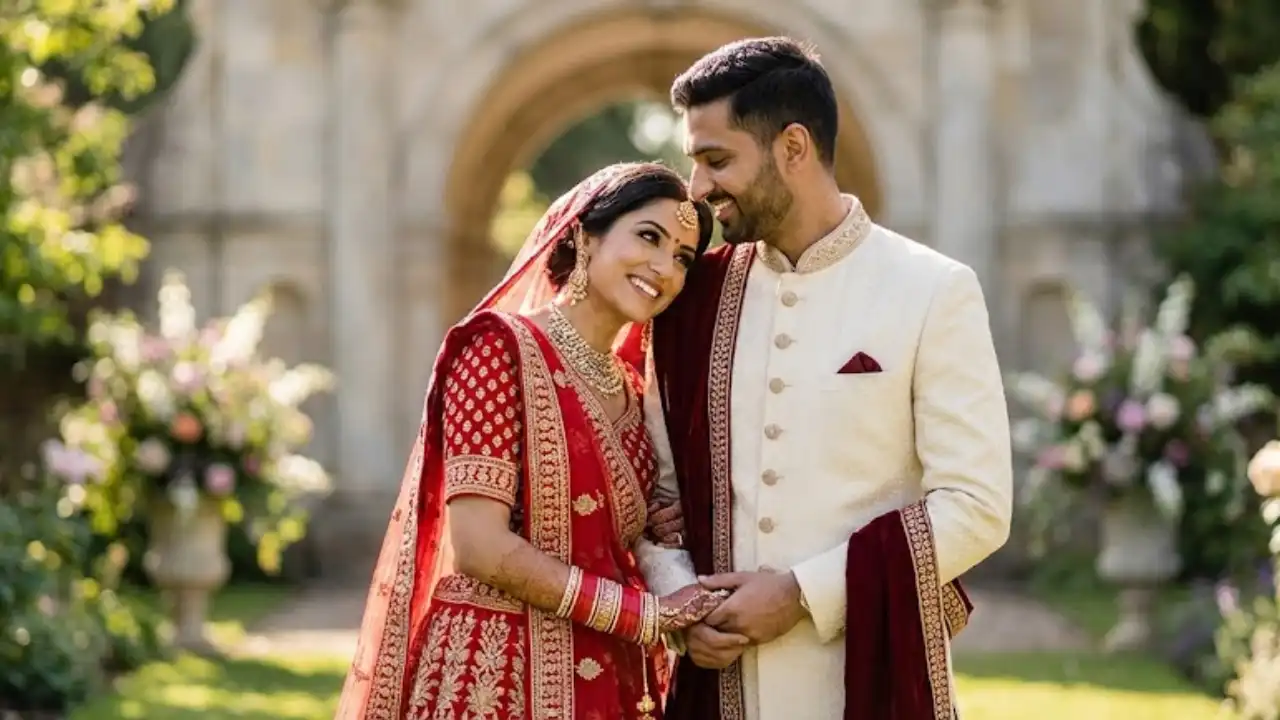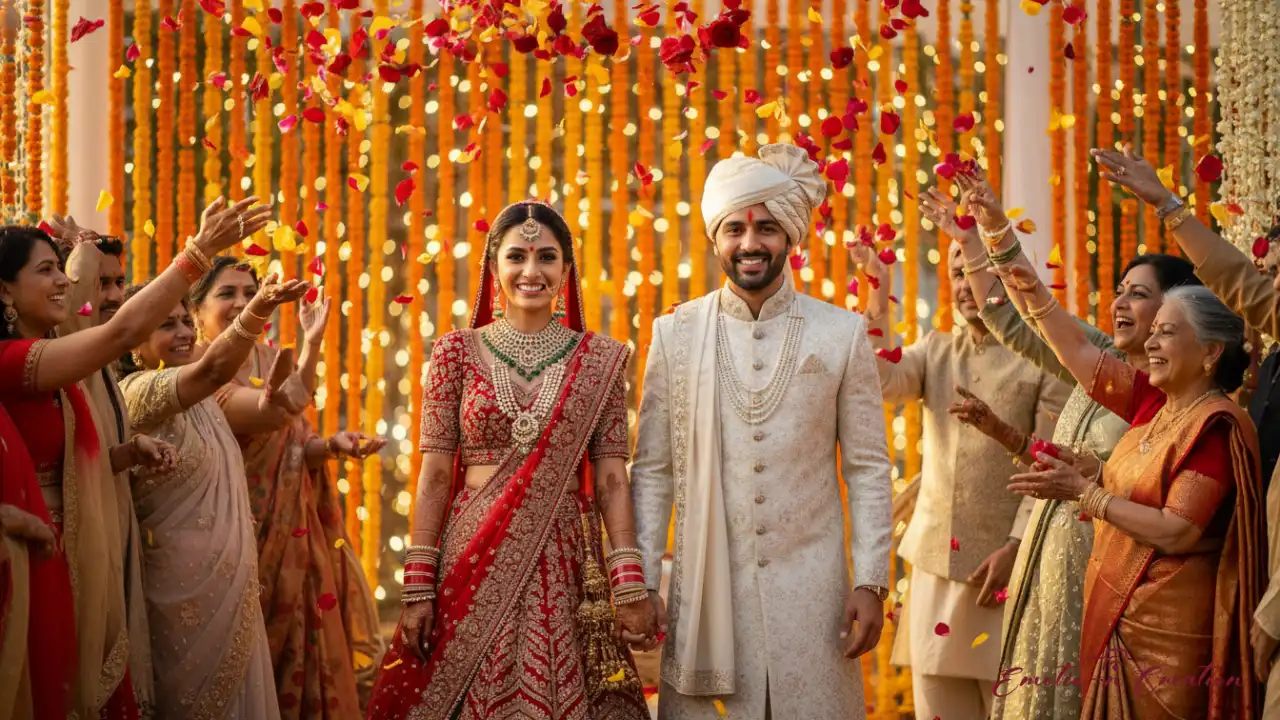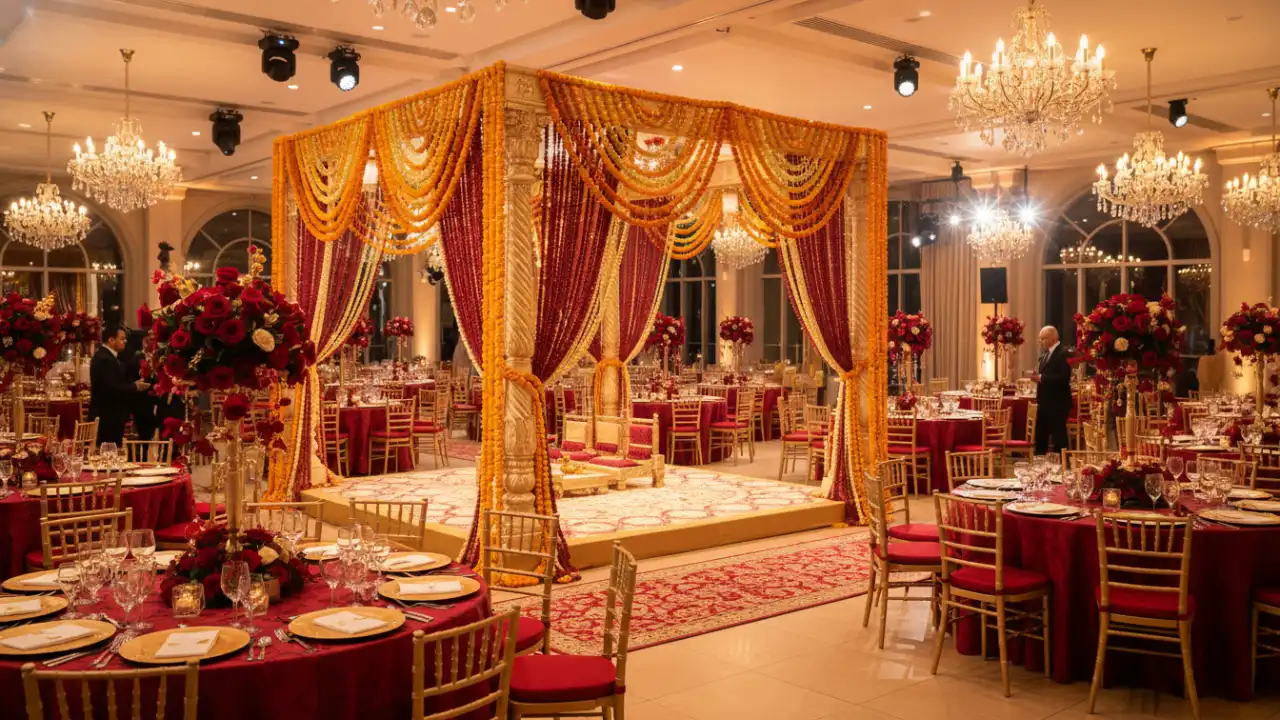
Big Indian weddings are full of colour, food, music, and memories. But let’s be honest, finding the right place to celebrate it all? That’s where it gets tricky. There are so many options, yet only a few really get what an Indian wedding needs. So, I did the digging for you. Here’s a simple guide to the best venues that truly understand Indian wedding vibes, whether you’re planning something grand or sweet and small.
Indian wedding venues Melbourne
An Indian wedding venue is a place that can host large celebrations, handle traditional rituals like the mandap, and offer space for events like the mehndi or sangeet. The best venues also allow Indian catering, respect cultural needs, and offer both indoor and outdoor spaces.
Why Indian Wedding Venue Selection Matters
Choosing a venue for an Indian wedding isn’t just about picking a pretty building or a big room. It’s about finding a place that fits the heart and soul of the celebration. These weddings are not one-day events. You’ve got the mehndi, the haldi, the sangeet, the wedding, and sometimes even a reception days later. That means the venue needs to be flexible, spacious, and, honestly, ready for a lot of color, food, noise, and joy.
Now, let me tell you a quick story. A friend of mine booked a beautiful hall once, with great lighting, a fancy name, all that. But when it came to setting up a mandap, the venue manager looked confused. He didn’t know if they could allow fire rituals. And they had no clue what a baraat was. We spent hours trying to explain basic traditions. That’s when I realized: not every fancy place is Indian-wedding-ready. From that day, I always check if a venue has actually hosted Indian weddings before.
A good Indian wedding venue should have space for a dance-floor, large guest lists, and even allow for things like a Baraat or horse entry. Some families prefer bringing in external Indian caterers, so the venue must be okay with that. Others might want vegetarian-only kitchens, multi-day bookings, or late-night music. These little things can cause big stress later if the venue isn’t familiar with the culture.
Also, the layout matters. Can the ceremony and reception happen in different spaces without needing guests to move around too much? Is there a covered area in case of rain for an outdoor mandap? Are there enough bathrooms, changing rooms, and parking spots for hundreds of guests who may all show up in one afternoon?
When you think about all this, you’ll see that picking the right venue is not a small detail. It’s the foundation of your wedding. And trust me, it can either make things smooth or super stressful.
Our Ranking Criteria & Methodology
Let’s be clear, not all wedding venues are created equal. And when it comes to Indian weddings, the list of must-haves gets a little longer. That’s why this report doesn’t just list “pretty places” , it’s based on what really matters for Indian wedding celebrations.According to a study of the Indian wedding‑event planning sector, service quality dimensions such as responsiveness, reliability and empathy significantly influence guest satisfaction and loyaltyI looked at what couples need, what families expect, and what venues actually offer. Here’s how the top venues were chosen.
Guest Capacity and Layout Flexibility
Indian weddings are big. Even a “small” one can easily cross 200 guests. So one of the first things I checked was how many people each venue can comfortably hold, and I don’t mean just squeezing everyone in. I mean space for dining, a proper dance-floor, and room for ceremonies like the mandap or varmala.
Some venues offer multiple rooms or open spaces that can be used for different parts of the wedding. That’s a big bonus. For example, a couple might want the sangeet on one night, the wedding in the garden the next morning, and the reception in a grand ballroom later. Venues that can handle that without moving guests to another location ranked higher.
Cultural Awareness and Indian-Wedding Experience
This part really separates the good from the great. A venue might look perfect online, but if their team has no idea what a mehndi night or baraat is, that’s a red flag. So I gave top marks to places that have hosted Indian weddings before, and not just once. I looked for venues that regularly work with Indian families and understand the traditions, timings, and flow of these events.
I also checked whether they offer Indian catering options or allow you to bring your own chefs. Many Indian families prefer using trusted caterers or need vegetarian or Jain food setups. Venues that are flexible here score big points.
Outdoor and Indoor Options
Weather can be a game-changer. That’s why I picked venues that offer both indoor halls and outdoor areas. An open-air mandap looks stunning, but what if it rains? Venues with indoor backup plans , without charging a huge fee , ranked higher. I also considered if they offer unique ceremony spots like lakeside lawns, forest estates, or rooftops.
The layout also matters for things like the baraat. Is there space for a horse or dhol group to lead the groom’s entrance? Venues that allow this type of celebration, without complaints or restrictions, definitely stood out.
Accommodation and Multi-Day Access
Some families want to do all events in one place. So I looked at which venues offer on-site rooms or partner hotels nearby. This is super helpful when guests are flying in from overseas or interstate. Also, Indian weddings often go on for more than one day, so I checked which venues offer multi-day hire options. It makes things easier when you don’t have to pack up and move after each event.
Transparent Pricing and Real Value
Let’s be honest, Indian weddings aren’t cheap. But that doesn’t mean you want surprise costs. So I only included venues that clearly list prices or offer easy quotes. The ones that give real value for the price, like packages with décor, food, staff, and extra hours, ranked higher. Some of the best places even throw in small extras like changing rooms, welcome drinks, or free parking for guests.
Real Reviews and Case Studies
Finally, I looked at real reviews from couples who’ve already had Indian weddings at these venues. What did they say? Was the team helpful? Did everything run on time? Did the guests feel looked after? When a venue gets repeated praise for handling Indian weddings with care and understanding, that means something.
So, the list you’ll see next isn’t random. It’s shaped by what actually matters, from how the space feels to how smoothly the event runs. It’s about helping you avoid stress, enjoy the moment, and throw a celebration your family will remember forever.
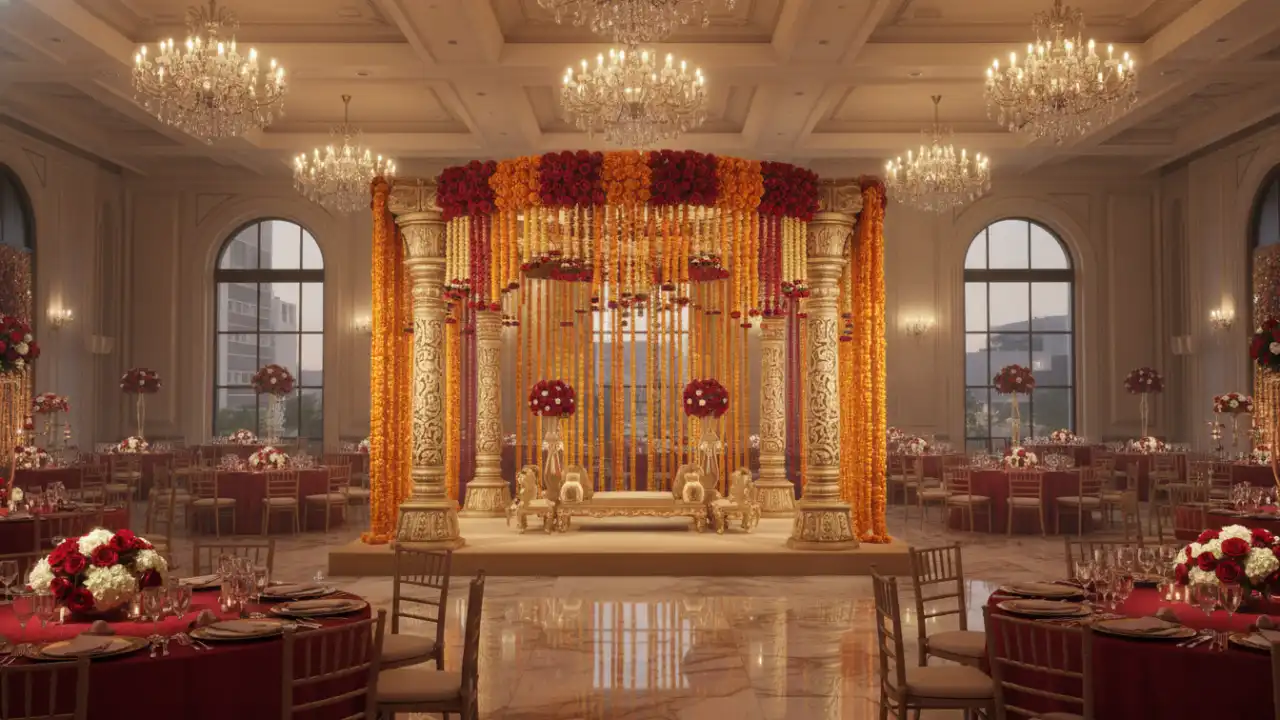
Top 5 Indian Wedding Venues in Melbourne – 2025
Planning a wedding can feel like juggling 100 things at once. That’s why I’ve done the heavy lifting for you and handpicked five venues that truly get Indian weddings. These aren’t just pretty places; they’ve been ranked based on space, culture-fit, food options, layout, flexibility, and real experience. Here’s the list.
1. Leonda By The Yarra
- Location: Riverside with a private jetty
- Guest Capacity: Up to 1000 for cocktail, 480 seated with dance-floor
- Special Features: Garden Room, Ballroom, Indian chef on-site, boat arrival option
If you want a grand event by the water, this one’s a stunner. They’ve hosted tons of Indian weddings and know exactly how to handle the mandap, dance-floor, and guest flow. Bonus: you can even arrive by boat!
2. Lakeside Pavilion
- Location: Overlooking Albert Park Lake
- Guest Capacity: Up to 900 cocktails, 400 seated with dance floor
- Special Features: Outdoor ceremony space, balcony, Indian fusion catering
This venue mixes class and culture really well. You get stunning lake views and enough space to dance the night away. Their team is friendly and used to Indian traditions.
3. Bramleigh Estate
- Location: Natural bushland, Warrandyte
- Guest Capacity: 100–350
- Special Features: Outdoor mandap space, exclusive use, allows outside caterers
This one feels like a destination wedding without leaving town. Great for couples who want a peaceful vibe with the full Hindu ceremony setup.
4. Yarra Valley Estate
- Location: One hour from Melbourne, with bushland views
- Guest Capacity: 180 cocktails, 130 seated
- Special Features: Multi-day access, Baraat-friendly driveway, on-site rooms (48)
Perfect for a full weekend wedding. You can do all events, mehndi, haldi, wedding, reception, without needing to move venues.
5. Seasons 5 Function Centre
- Location: Truganina
- Guest Capacity: Suits intimate weddings
- Special Features: Gazebo, lake view room, Indian-friendly staff
Smaller but very charming. If you’re doing a cozy wedding with close family, this is a sweet pick with flexible options.
Venue Comparison Table
| Venue | Max Guests | Outdoor Space | Allows Own Caterer | On-site Rooms | Indian Menu Option |
| Leonda By The Yarra | 1000 | Yes | No | No | Yes |
| Lakeside Pavilion | 900 | Yes | No | No | Yes (Fusion) |
| Bramleigh Estate | 350 | Yes | Yes | No | Optional |
| Yarra Valley Estate | 180 | Yes | Yes | Yes (48) | Optional |
| Seasons 5 Function Centre | 100–200 | Yes | Case-by-case | No | Yes |
This list should give you a head start. Think about your guest size, event length, and how important Indian traditions are to you. Each of these places has something special to offer; now it’s just about what fits you best.
Venue Type Comparison – Banquet Halls vs Outdoor Estates vs Temples
When it comes to Indian weddings, the venue isn’t just a backdrop; it shapes the whole celebration. The space you choose sets the mood, handles your guest list, and even affects how well you can include your traditions. Let’s break down the three most common types of venues used in Indian weddings and what each one offers.
Banquet Halls
Banquet halls are the go-to choice for many families, especially in cities.
- Best for: Big guest lists, indoor comfort, all-in-one convenience
- Pros: Air-conditioned halls, big kitchens, in-built sound systems, plenty of chairs and tables
- Things to check: Some halls may have fixed décor or not allow outside caterers
- Tip: Ask if they’ve handled mandap setups before; not all do it right
If you want a traditional setup with dance floors and loud music without worrying about the weather, a banquet hall is usually a safe choice. Just make sure they allow Indian food, especially if you want to bring in your own cooks or need vegetarian-only kitchens.
Outdoor Estates
Outdoor estates or garden venues are perfect for couples who want nature, photos, and a relaxed feel.
- Best for: Multi-day events, scenic ceremonies, nature lovers
- Pros: Lots of space for Baraat, open-air mandaps, peaceful surroundings
- Things to check: Backup plans for bad weather, guest transport, noise limits
- Tip: Confirm if they offer multi-day access so you don’t feel rushed between events
Estates are great for mehndi nights, sangeets under the stars, or full-day celebrations with dancing and food. Just make sure they have proper lighting and washroom facilities, especially for older guests.
Temples (if available)
Some couples prefer to get married in a temple to keep the ceremony traditional and spiritual.
- Best for: Small religious ceremonies, family-only weddings
- Pros: Spiritual atmosphere, known rituals, culturally familiar
- Things to check: Seating space, sound setup, time limits, photography rules
- Tip: You may need to book a second venue for food and reception
Temples are ideal for the actual wedding ceremony, but most don’t have space for full receptions or dancing. That’s why many families do the rituals in a temple and then shift to a hall or estate afterwards.
Each venue type has its charm. Think about what matters most: space, tradition, comfort, or scenery, and match that with your dream wedding plan.
Budget Considerations & Hidden Costs for Indian Weddings
Weddings are exciting, but let’s face it, they’re also expensive. Indian weddings, especially, can stretch budgets fast. Between outfits, food, and décor, the numbers can pile up quickly. That’s why it’s smart to understand not just the main venue costs, but the small extras that sneak in along the way.
What You See vs What You Pay
Most venues will give you a base price. It might sound decent at first, like $150 or $200 per guest. But what does that really include? Often, the base price only covers food and the space itself. Things like a dance floor, extra hours for the sangeet, or a second room for the mehndi might cost more. Always ask what’s included and what’s extra, like staff, security, lighting, or sound systems.
Then there’s GST and service charges. A $25,000 quote can quickly turn into $30,000 with tax and weekend surcharges. It’s not fun to find that out after you’ve booked, so ask upfront. Some venues offer packages that include everything from start to finish, while others charge piece by piece. Know which one you’re dealing with.
Food and Catering Add-Ons
Indian weddings are known for food, and a lot of it. You’ll often need two or three rounds of meals per event. And that’s not just dinner. Think snacks, soft drinks, tea stations, and midnight bites after the dancing. If your venue offers Indian catering, ask how wide the menu is. Some only have limited options.
If you’re bringing your own caterer, check if there’s a kitchen to use or a fee to bring someone in. Some places charge a “corkage”-style fee just for using outside services. Others may not allow it at all.
Décor, Sound, and Other Extras
This is where a lot of hidden costs live. Want a full mandap setup? Add extra. Need professional lighting or an extra mic for the priest? That’s another charge. Some venues allow outside decorators, which can help you save money. Others only work with preferred vendors, and their prices may not be budget-friendly.
Also think about little things: Is there enough parking for guests? Do you need valet service? What about chairs for the elderly or changing rooms for the bride and groom?
So while choosing a venue, don’t just look at the pretty pictures. Ask real questions, check the fine print, and make sure the cost fits your full plan, not just the headline price.
Final Thoughts – Which Venue Is Right for You?
Picking the right Indian wedding venue isn’t just about space or style; it’s about finding a place that fits you. Think about your guest list, your budget, and how traditional or modern you want the celebration to feel. Some couples want a peaceful outdoor estate; others prefer a buzzing banquet hall with lights and sound. There’s no “one size fits all”, only what feels right for your day.
Take your time, ask the right questions, and trust your gut. If a place feels easy to work with and respects your culture, that’s already a big win. And hey, don’t forget to enjoy the process. It’s your wedding, make it yours.
Ready to Find Your Perfect Indian Wedding Venue?
If you’re planning an Indian wedding and want a venue that truly understands your needs, we can help. Whether you need space for 500 guests or an intimate spot for close family, our partner venues are ready to make your dream day come true.
Explore top-rated Indian wedding venues in Melbourne here, with trusted options, flexible packages, and teams who know what a real Indian wedding looks like.
Your perfect venue is just one click away.
FAQs – Indian Wedding Venues
How far in advance should I book my Indian wedding venue?
For popular venues, it’s smart to book at least 9 to 12 months in advance. Indian weddings often happen on specific dates based on rituals, so those dates go fast.
Can I bring my own caterer for Indian food?
Some venues allow it, others don’t. Always ask early. If they don’t, check if they offer Indian menus or work with Indian chefs.
Is outdoor space really needed?
Not always, but if you want a mandap under the sky, a baraat procession, or a sangeet night with dancing, an outdoor space adds a lot of joy (and great photos).
Do venues provide decor for Indian weddings?
Usually, no. You’ll likely need to hire a decorator for things like mandaps, floral work, and stage setups. A few venues offer decor packages, so ask what’s included.
Are these venues okay with religious rituals like havan/fire?
Some are, some aren’t. If you’re planning a Hindu ceremony with fire, make sure the venue allows it and has proper safety measures.