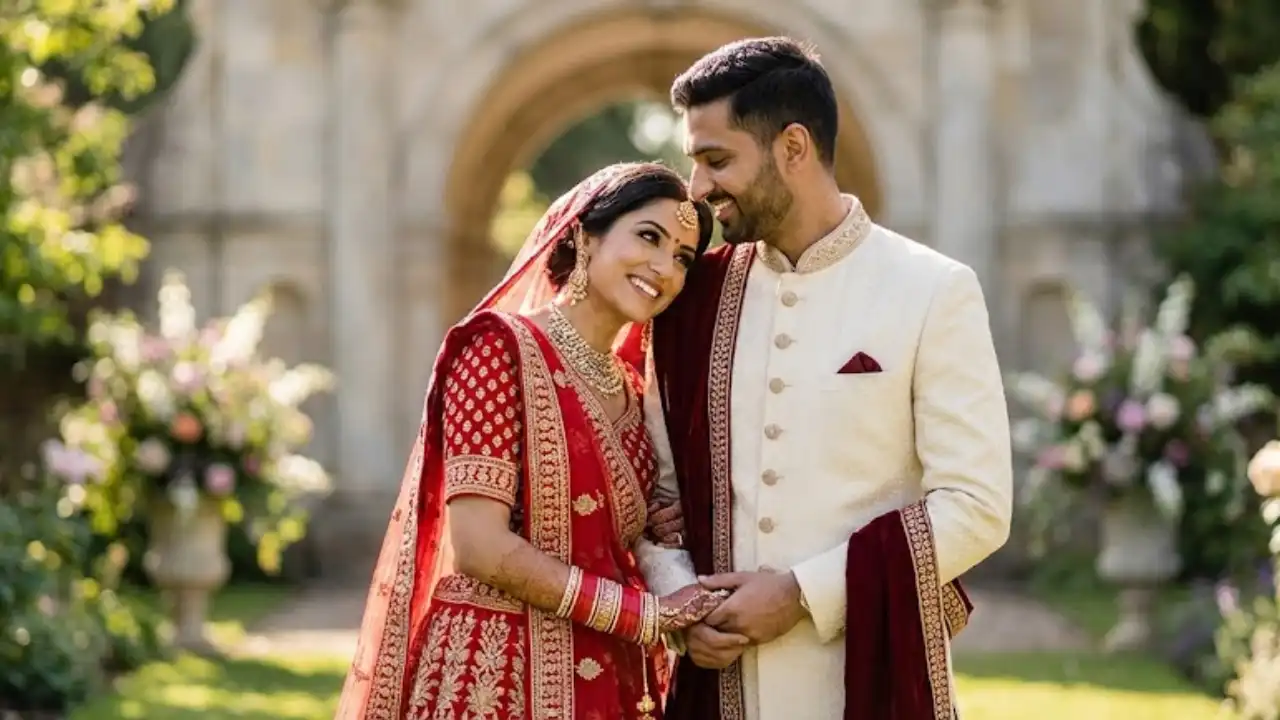
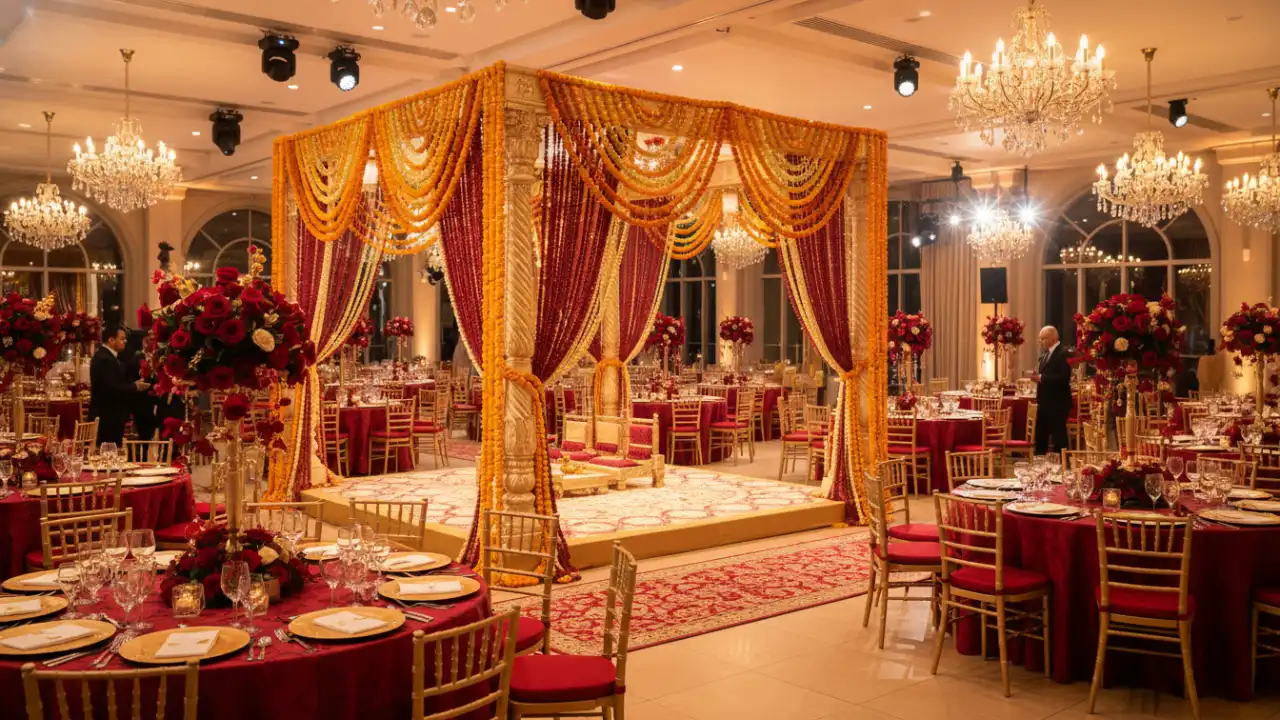
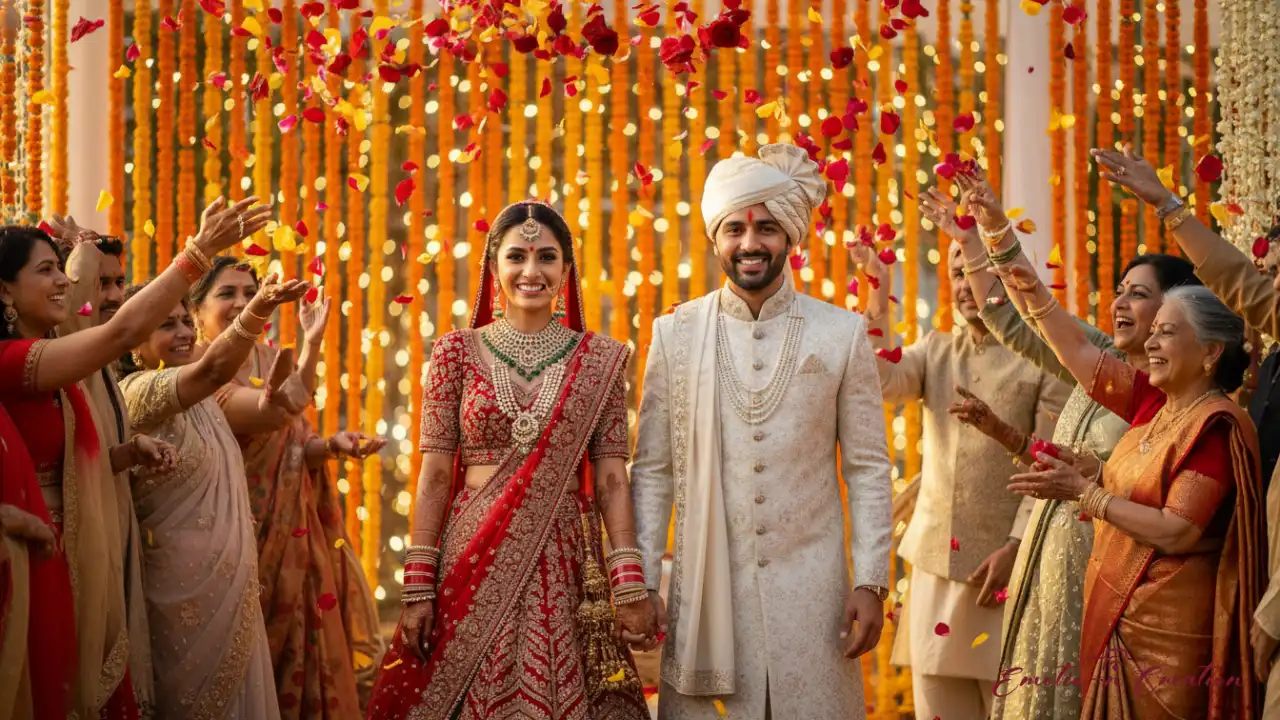
There’s a special kind of magic in Indian weddings, the colors, the music, the emotions that never stop flowing. Every tear, laugh, and dance step tells a story. But capturing that story takes more than a camera. It takes the right person behind it, someone who sees what others might miss. I’ve met many couples who said, “We just want someone who truly understands our wedding.” And that’s where choosing the right videographer becomes everything.
How to Choose the Right Indian Wedding Videographer
Choosing the right Indian wedding videographer isn’t about who has the fanciest camera. It’s about finding someone who understands emotion, tradition, and timing. A good videographer blends artistry with awareness, turning your celebration into a living memory you can relive for years.
Why Indian Wedding Videography Needs a Specialist Touch
Indian weddings aren’t just ceremonies; they’re full-scale stories that unfold over several days. There’s laughter, tears, dancing, family chaos, and beautiful rituals that all happen almost at once. That’s why not every videographer can truly do them justice. According to the Australian Bureau of Statistics, there were 120,844 marriages registered in Australia in 2024. A specialist in Indian wedding videography knows exactly how to capture that rhythm, when to focus on a father’s expression during kanyadaan, when to follow the groom’s friends during the baraat, and when to step back quietly to let the emotion breathe on camera.
A regular wedding videographer might treat it like any other event. But in Indian weddings, every moment carries cultural meaning; even a glance or a smile between family members can say so much. A specialist understands the sequence of rituals, the lighting changes from outdoor to indoor events, and the pace of multiple functions happening back-to-back. They don’t just film; they anticipate.
I remember one wedding early in my career, when I wasn’t yet an expert in Indian ceremonies. During the pheras, I was standing on the wrong side of the sacred fire and accidentally blocked the priest’s view. The family was kind, but I learned a big lesson that day: respect and awareness are everything. Since then, I’ve taken the time to study the traditions and ask couples about the customs that matter most to them. The difference in my films after that was incredible. The energy, the authenticity, it all came alive because I finally understood what I was capturing.
So when you’re choosing your videographer, don’t just ask if they’ve “done Indian weddings before.” Ask how many and what they learned from each one. Look for someone who speaks your language, both literally and emotionally, someone who knows when to stay invisible and when to move in close. That’s what makes a true specialist.
What Makes a Great Indian Wedding Videographer
A great Indian wedding videographer is more than a filmmaker; they’re a storyteller, an observer, and a silent guest who feels every moment as deeply as the couple does. Their skill goes beyond handling cameras and lighting. It’s about how they see the world through emotion, rhythm, and culture.
The Art of Observation
The best videographers don’t just point their lens at the action. They see. They notice small things others overlook, the bride’s mother adjusting her daughter’s dupatta, the groom’s nervous smile before the vows, or the grandparents quietly holding hands during the ceremony.
That art of noticing is what turns an ordinary wedding film into something unforgettable. It’s the difference between a simple record of events and a living, breathing story. Indian weddings are emotional marathons filled with raw moments, and a skilled videographer must have the patience to wait for those moments, not rush through them.
I’ve seen photographers and videographers move like they’re on a timer, rushing from one frame to the next. The ones who stand out are those who slow down, breathe with the crowd, and let the story unfold naturally. Great videographers know when to move in and when to fade into the background.
Cultural Understanding and Emotional Sensitivity
Indian weddings are built around centuries of traditions. Each region, community, and family brings its own rituals and values. A videographer who doesn’t understand this cultural layer might capture the visuals but miss the emotion behind them.
A great videographer takes time to learn the customs, whether it’s understanding the meaning of mangal pheras, respecting moments of silence during blessings, or knowing when to stay unobtrusive during prayers. They don’t just film; they feel.
This cultural awareness also helps them connect with families. When your videographer understands the emotion behind a ritual, they’re not just recording it; they’re honoring it. And that connection shows in the final film. The tone becomes authentic, respectful, and deeply personal.
Storytelling with Heart
Every Indian wedding has its own story. The story might start weeks before the big day, at the engagement, the pre-wedding shoot, or the first meeting of families. A great videographer knows how to weave all these threads into one smooth narrative.
The beauty lies in how the story unfolds. Instead of showing every clip in order, a skilled storyteller arranges them to create emotion, maybe showing the couple’s laughter before revealing the vows, or a quiet moment after the dance floor chaos. It’s this rhythm of calm and energy that gives Indian wedding films their cinematic soul.
Music, pacing, and tone matter too. A great videographer picks music that feels personal, not generic. They match beats with footsteps, transitions with rituals, emotions with melodies. It’s not about adding drama; it’s about adding truth.
Technical Skill and Adaptability
Lighting at Indian weddings can be unpredictable. There are bright outdoor ceremonies, dimly lit halls, moving crowds, and bursts of colors everywhere. A great videographer is ready for it all. They understand how to balance exposure, when to use stabilizers or drones, and how to work with natural light when artificial setups fail.
But more than the gear, it’s their adaptability that stands out. No two weddings are the same. One might be a beach wedding with soft sunlight, another might be indoors with golden lighting. Great videographers adjust without stress; they find beauty in every situation.
They’re also masters of time management. Indian weddings often run late, schedules change, and rituals overlap. Instead of panicking, experienced videographers keep calm, prioritize moments, and ensure nothing important is missed.
Connection with the Couple
Finally, the most defining trait of a great Indian wedding videographer is connection. The couple should feel comfortable, seen, and understood. This relationship is what makes the footage genuine.
When the bride laughs naturally or the groom wipes a tear without feeling awkward, that’s real magic, and it only happens when the videographer feels like a friend, not a stranger.
Building that trust takes empathy. A great videographer listens, learns your story, and aligns their vision with yours. They care as much about your memories as you do.
That’s why, when you find someone who not only captures the events but also the emotion behind them, you’ve found more than a videographer, you’ve found your storyteller.
Questions to Ask Before You Book Your Videographer
When you start searching for your wedding videographer, it’s easy to get lost in portfolios and highlight reels. Everything looks stunning until you realize that behind those short clips, there’s so much more to know. Asking the right questions helps you separate professionals who can handle your big day from those who might not fully understand what you need.
Essential Questions to Ask
Here are some key questions that can help you truly understand who you’re hiring:
-
Have you filmed Indian weddings before?
Experience with Indian ceremonies is vital. Each event has unique timings and cultural layers; someone familiar with them will anticipate moments better.
-
Can I watch a full wedding video, not just a highlight reel?
Highlights are edited to perfection. A full video shows how they capture real-time emotions, rituals, and crowd interactions.
-
What’s included in your package?
Make sure you know how many videographers, how many hours, and what kind of final edits you’ll receive.
-
How long will delivery take?
Editing is time-consuming, but clear timelines prevent frustration later.
-
What happens if the event runs late?
Indian weddings often stretch beyond schedule. Confirm how overtime is handled and billed.
Red Flags to Watch For
Sometimes, what a videographer doesn’t say matters even more than what they do. Here’s what you should look out for before signing anything:
- Vague package details or hidden fees
- No full-length samples available
- Limited knowledge about Indian traditions
- Overpromising “cinematic” results without proof
- Unclear contract terms about delivery, revisions, or backup storage
These signs suggest a lack of transparency or experience, two things you don’t want to risk on your wedding day.
Sample Comparison Table
| Question | What a Pro Says | What to Avoid |
| Experience with Indian weddings | “Yes, I’ve filmed several. Here are full videos.” | “I’ve done one or two, I think.” |
| Delivery timeline | “6–8 weeks after final event.” | “Whenever we finish editing.” |
| Audio recording | “We use lapel mics and backup systems.” | “We rely on camera sound.” |
| Overtime policy | “Extra hours billed per hour, agreed in advance.” | “We’ll see on the day.” |
Choosing a videographer isn’t just about liking their visuals; it’s about trusting their process. These questions and checks will help you find someone who respects your vision and values your memories.
Understanding Styles: Cinematic vs Traditional vs Documentary
Every couple dreams of a wedding film that truly feels like them. But before you get there, you need to know the difference between the main videography styles, because how your wedding is captured changes how it feels forever. Let’s explore what makes each approach special and how to choose the one that matches your story.
Cinematic Style
The cinematic style is all about emotion and storytelling. It looks and feels like a movie, complete with background music, slow-motion shots, and creative transitions. Videographers who shoot in this style often plan shots around lighting and emotion rather than simply recording what happens.
You’ll notice strong visuals, emotional pacing, and scenes that feel carefully crafted. This is perfect if you want your wedding to feel grand, heartfelt, and artistic.
Best for couples who:
- Love emotional storytelling and dramatic visuals
- Want a highlight film that feels like a movie trailer
- Enjoy cinematic music, voiceovers, and creative edits
Possible drawback:
- You might get a shorter video focused on highlights instead of full coverage.
Traditional Style
The traditional style focuses on full event coverage, capturing every part of your wedding from start to finish in the order it happens. It’s straightforward and ideal for families who want to see everything exactly as it unfolded.
Traditional videos are usually longer and less edited. You’ll get clear documentation of rituals, speeches, and dances, perfect for preserving memories across generations.
Best for couples who:
- Want to record every moment without creative filters
- Prefer simple editing with natural sound
- Value complete coverage of ceremonies and traditions
Possible drawback:
- It may feel less “cinematic” or artistic compared to other styles.
Documentary Style
A documentary-style wedding film blends cinematic visuals with real-life storytelling. It’s authentic, emotional, and guided by natural flow rather than planned shots. You’ll see real laughter, conversations, and unscripted moments, like a short film about your love story.
Best for couples who:
- Want genuine emotion without scripted moments
- Like a natural, modern, and storytelling-driven approach
- Prefer something timeless and personal
Which Style Suits Indian Weddings Best?
For most Indian weddings, a hybrid style works best, blending cinematic storytelling with documentary authenticity. Indian weddings are vibrant, emotional, and filled with fast-paced rituals. A good videographer captures both the artistic visuals and the meaningful moments.
When you review portfolios, pay attention to how the videographer balances emotion, color, and real moments. The right style isn’t about trend, it’s about truth.
How Much Does Indian Wedding Videography Cost

Wedding videography is often one of the most meaningful investments you’ll make for your big day. Long after the music fades and the guests go home, your video becomes the doorway back to every smile, every tear, and every dance step. But when couples start asking, “Why does it cost this much?” the real answer lies in the details behind the camera.
What Influences the Price
Several elements shape the final price of your wedding film. The first is how many events you’re hosting. Indian weddings are rarely one-day affairs; there’s often the Mehndi, Sangeet, ceremony, and reception. Each function requires setup, filming, travel, and editing time. The more events you include, the more footage your team captures, which naturally increases the cost.
Next comes crew size and equipment. A single videographer can cover small gatherings, but large weddings need multiple camera operators, drones, stabilizers, lighting setups, and sound gear. More professionals mean wider coverage and better angles, but also a higher investment.
Then there’s editing, the invisible yet most time-consuming part. Good editing transforms raw footage into a story with emotion, rhythm, and clarity. A cinematic film with color grading, background music, and emotional pacing can take dozens of hours to perfect.
Balancing Budget and Quality
It’s tempting to pick the cheapest quote you receive, but wedding films are one area where quality truly shows. A less experienced videographer might offer a lower rate, but they might also miss moments, struggle with lighting, or take months to deliver. Meanwhile, a professional with years of experience in Indian weddings knows how to anticipate rituals, manage long days, and deliver stunning results on time.
A good way to think about it is value, not just price. You’re paying for expertise, storytelling skill, and peace of mind. Many professional videographers also include highlight reels, social media teasers, and full-length versions in their packages, all of which add long-term value to what you receive.
Typical Investment Range
While prices can vary widely by region and scale, most couples spend anywhere between $3,000 and $10,000 or more on complete wedding videography. Simpler one-day packages sit at the lower end, while multi-day cinematic films sit higher. What matters most is choosing someone who aligns with your vision and gives you confidence that your memories are safe in their hands.
How to Get the Best Out of Your Videographer
Even the most talented videographer can only work with what they’re given, and that’s why preparation makes all the difference. Your wedding day moves fast, emotions run high, and moments come and go in seconds. The better you plan, the more freedom your videographer has to focus on creativity instead of coordination.
Plan with Clarity
Before the big day, share a clear timeline with your videographer. Include all your key events, their start times, and any cultural rituals that might need extra attention. When they know the flow, they can plan equipment setups, camera angles, and lighting in advance.
It also helps to create a simple shot list, not a strict schedule, but a reminder of what matters most to you. Maybe it’s your mother helping you get ready, or your friends during the Sangeet. These small details mean a lot later.
Build Comfort and Trust
The best wedding films come from genuine moments, not staged ones. Take time to meet your videographer before the wedding, either in person or over a video call. Share your story, talk about your comfort levels, and let them get to know your personalities. The more relaxed you are with them, the more natural your footage will feel.
I’ve seen couples go from nervous and camera-shy to completely at ease once they start treating their videographer like a friend rather than a vendor. That comfort shines through in every frame.
Allow Space for Creativity
Good videographers work best when they have freedom. Give them room to move, experiment, and capture things from unique angles. Trust their experience; they know when to step in close and when to fade into the background. Sometimes the best shots happen when no one’s paying attention.
When you prepare well, communicate openly, and stay relaxed, your videographer can do what they do best: tell your story honestly and beautifully.
[Reset complete. Returning to Default Rules for the next heading.]
Common Mistakes Couples Make (and How to Avoid Them)
Even the most organized couples can fall into traps that affect how their wedding video turns out. Here are some of the most common mistakes, and how you can avoid them.
Booking Too Late
Good videographers get booked months in advance, sometimes even a year out. Waiting too long can limit your options and force you to settle. Book early to secure someone whose style matches your vision.
Focusing Only on Price
It’s easy to compare numbers, but wedding videography isn’t like buying a product; it’s an art. A cheaper rate may sound appealing, but it often means less experience or rushed editing. Think long-term. You’ll be watching this film for the rest of your life.
Not Communicating Expectations
Many couples forget to explain what moments matter most to them. Maybe you want more family reactions or extra focus on rituals. Without that direction, even great videographers might miss what’s meaningful to you. Spend a few minutes discussing your priorities early on.
Ignoring Audio and Lighting
A perfect video can still feel flat if the sound isn’t clear or the lighting is poor. Ask your videographer how they handle both. Good ones bring microphones, backup gear, and lighting solutions to handle any space.
Being Overly Scripted
Your wedding day is meant to feel real. When couples overplan every pose, the film can lose its warmth. The most memorable moments are spontaneous, laughter between friends, a glance between newlyweds, and a tear no one expected.
Let your videographer guide you. They know when to capture the magic without forcing it.
Avoiding these small but common mistakes can turn an average wedding video into a timeless keepsake that feels truly personal.
Final Thoughts
Choosing the right Indian wedding videographer isn’t just about finding someone who knows how to use a camera , it’s about finding someone who can feel your story. The right person will understand your culture, your emotions, and your vision. They’ll know when to step back and when to lean in, turning fleeting moments into lifelong memories.
Your wedding film should make you smile, cry, and remember why it all mattered. So take your time, ask the right questions, and trust your instincts. When you find a videographer who captures not just what your wedding looked like, but what it felt like, that’s when you know you made the right choice.
Ready to Capture Your Story?
Your wedding deserves more than just a video; it deserves to be remembered with heart, color, and emotion. At Emotion Creation, we specialize in crafting cinematic Indian wedding films that reflect who you are and the love you share. Whether your celebration is grand or intimate, our team is ready to bring your story to life through thoughtful, emotional storytelling.
If you’re planning your Indian wedding and looking for a wedding videographer in Melbourne who truly understands your traditions and vision, let’s talk. Visit Emotion Creation today to explore our portfolio, learn about our packages, or book a personal consultation.
FAQs About Indian Wedding Videography
How early should I book my videographer?
It’s best to book at least six to eight months in advance. The best videographers often fill their calendars quickly, especially during peak wedding seasons. Early booking ensures you get someone whose style and availability fit your plans perfectly.
Do videographers cover all wedding events?
Yes, most Indian wedding videographers offer full multi-day coverage, including Mehndi, Sangeet, ceremony, and reception. You can choose full or partial coverage depending on your priorities and budget. Always clarify which events are included before signing the contract.
Can I choose my own songs or background music?
Definitely. A good videographer welcomes your input because music shapes the entire mood of your film. Just make sure the songs fit the emotional tone of each moment. Many couples pick a mix of personal favorites and cultural tracks.
How long does it take to receive the final video?
Delivery time depends on the complexity of your film and your videographer’s schedule. On average, you can expect your final edited video within six to ten weeks. Highlight reels or social clips may arrive sooner.
Do videographers provide raw footage?
Some do, and some don’t. If you’d like the raw files, discuss it early. There may be an extra cost because of storage space and data transfer time. Raw footage is great to keep as backup for future use.